I wrote this manifesto in 2023 in celebration of the International Year of Millets, as prescribed by the United Nations, but it still stands true to my purpose and intent. It brings context to those who might find themself hearing those three words of an agenda they can’t quite place.
This, is the road map. This is where you start to understand your journey with me.
MANIFESTO: THE SORGHUM AGENDA

A grain for the people, by the people.
1. To promote food sovereignty, by empowering local villages to own their land, invest in their farms and sustainably supply sorghum across the country, and beyond.
2. To centre indigenous people in the education of indigenous food systems. Sustainability starts with acknowledging the gate keepers and custodians of the indigenous knowledge systems and working with them.
3. To have our communities not only benefit from seeing themselves reflected on the shelves they constantly walk through when shopping, but to also see that their food is not simply regarded as an afterthought?
4. To counteract food insecurity, and reduce the growing hunger pandemic, through the grain’s tolerance to environmental changes such as drought and poor soil supply, at a much lower production cost and maintenance.
5. To embrace heritage, sacred traditions and ceremonials formed around the sorghum grain. Honouring our ancestors and their preservation of this land that fed them.
6. To have people fully embrace African Indigenous grains more, just as they have embraced exotic grains that were shipped onto our shores and cannibalised our diets.
7. To ensure that our grain matters. For our voice to matter. For the drive to have large institutions such as retail and academia embracing our home grown grains, echoing their voice, giving them better access and respect, in the way that we see them.
8. To inspiring us to be more resilient. The sorghum crop is quite resilient and speaks to what we currently need more of in a world where our climate is constantly changing, water supplies are decreasing, and heat is rising. This crop can help nourish us through those hardships, we just have to give it love and a chance to do that. To embrace it.
9. To have our indigenous food supply systems less fetishized and only considered during one month in the year- where our heritage somehow becomes a commercialised feat that is remembered. For our grain to matter, and on our plates, across the 365 days around the Sun.
10. To making the different forms of sorghum more accessible, amongst other African Indigenous grains. To showing people that there is more than just porridge and animal feed to the grain, that it possesses potential beyond our wildest imagination.
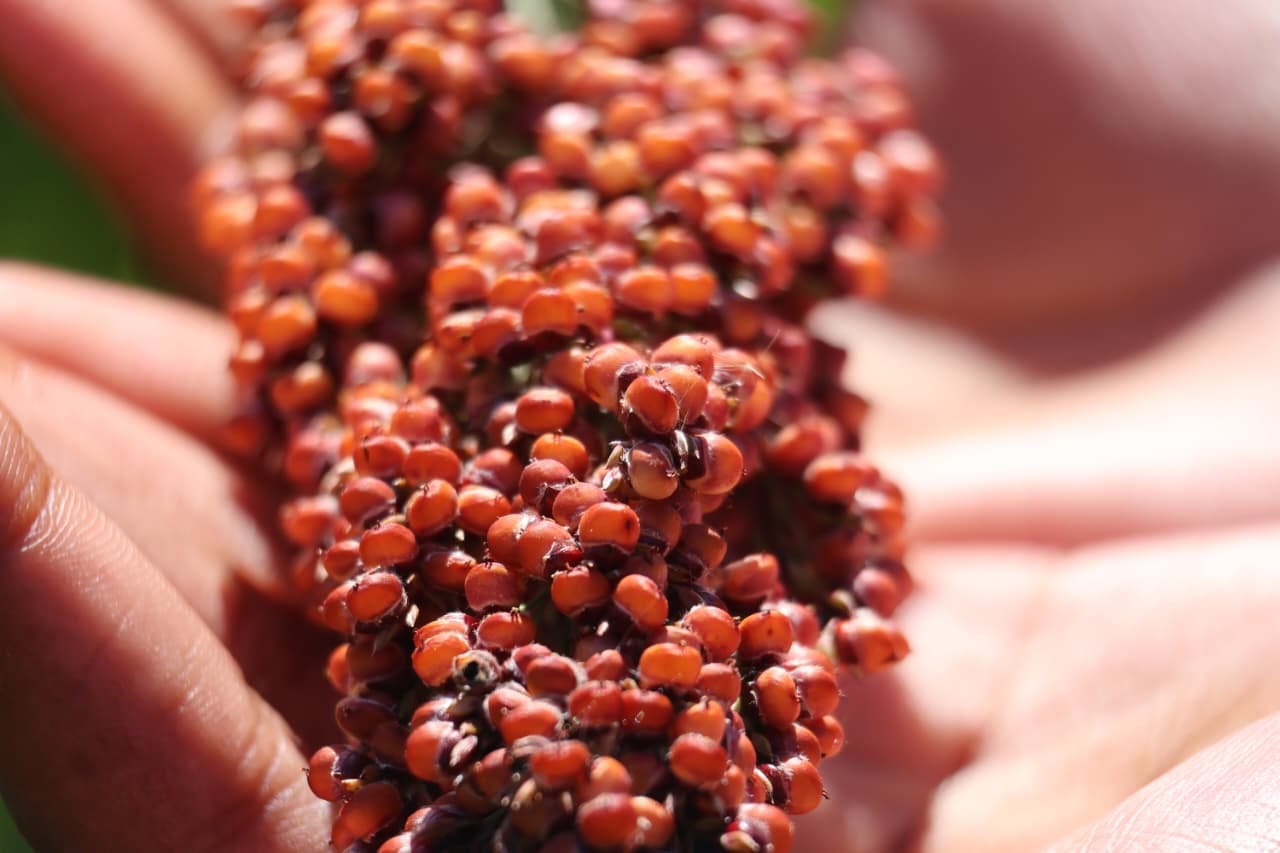
11. To building and creating stronger agricultural connections across the continent to supply sustainably grown indigenous African grains, that go beyond just Sorghum. To building community.
12. To be unapologetic in our food identity and break down all the glass ceilings that convinced society that sorghum, and other indigenous millets, do not deserve a seat at the “fine dining” table.
13. To help mainstream our under-utilised and unappreciated sorghum crops as this will not only help the environment but also the people. There is a great opportunity to educate people on the foods they haven’t been exposed to and to create an awareness that drives demand. We can use this to help build a healthy and sustainable food system that creates local employment, diversifies our consumed food and encourages overall well-being.
14. To encourage local Academic Institutions to first and foremost- hire Black people. This cannot be stressed enough. To give space for Black people to contextualise the heritage of their food, to communicate its stories, to educate on its significance and history, and to honour it. For sorghum to be seen through the lens of those it has nourished. Appreciated, not appropriated.
15. After all is said and done, there is truly only one thing to add and emphasise until we all contribute to the Sorghum Agenda- for everyone to have sorghum at least once a week!
Now tell me, when was the last time YOU had sorghum?